More than what we see
When people enter into galleries of museums, one of the first things noticed is what is on display. Whether it’s artwork, historical artifacts, photographs, or interactive displays, the exhibitions are often what make a museum visit memorable. It comes with saying, their importance is more involved than simply creating an exhibition and deciding what objects to put on display. It takes research, planning, creativity, teamwork, and an understanding of the people who will eventually visit the space.
Throughout this course, I’ve gained a better understanding of the exhibition area of museums and the many professionals who contribute to it. I’ve also started thinking differently about what visitors experience when they walk through a museum. An exhibition is not just about displaying objects; it’s about telling stories, sharing different perspectives, and creating an environment where people can connect with what they’re seeing. In this post, I’ll explore the responsibilities of exhibition professionals, the role of technology, the importance of diversity and accessibility, and how my own experience with an exhibition at the Walker Art Center connects to what we’ve learned.
WHAT IS EXHBITION?
A part of museums is responsible for planning, developing, designing, and presenting collections and knowledge to the public, this is where exhibition comes to play. Its purpose is not only to display objects and histories but also to allow guests to create their own interpretations of the communicated stories. There are several different professionals that allow this process to form into a final product. Curators research collections, develop exhibition themes, and help determine which objects should be presented. They address who should be represented and what lenses they are seen through. These ideas are iterated to the exhibition designers who consider how the space will look and how visitors will move through it. The preparators help install and handle these objects, while registrars oversee documentation, movement, and other important aspects of collections management. Museum educators and interpretation designers will join this process along different steps of the way to help make sure that the information being presented is understandable and engaging for visitors.
An exhibition should have a purpose beyond simply filling a gallery with objects. There should be a reason behind what is displayed and how the information is communicated. Summers (2018) discusses the nature and purpose of exhibits, providing a foundation for understanding that exhibitions are created with specific goals and audiences in mind. The amount of collaboration involved in exhibition development could be a determining factor in the success of how the stories are being told. Chicone and Kissel (2013) explain the importance of teamwork when creating exhibitions spaces, specifically geared towards translating natural history. Similarly, McKenna-Cress and Kamien (2013) emphasize collaboration as an important part of planning and designing innovative museum experiences. No single person creates an entire exhibition that can produce meaningful exhibitions that connect the institutional agencies, the community, the collection, and the stories represented. It takes people with varying skill sets and areas of knowledge to work together to bring ideas to life.
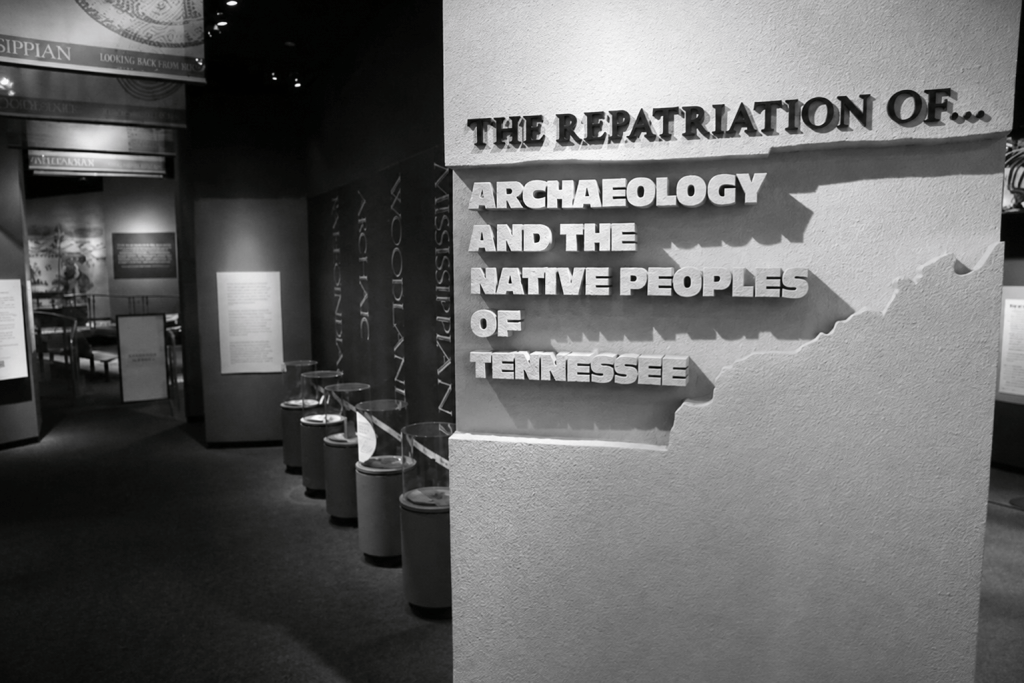
One of the biggest responsibilities of exhibition professionals is developing exhibitions that are informative, engaging, and accessible to visitors. This includes researching the subject and selecting objects that express the story, than organizing the information, creating labels, and deciding how everything should be presented. Museums have a lot of influence over how people understand history and culture. The way an exhibition is organized, the objects that are selected, and the stories that are included can all influence what visitors take away from the experience. This means there is much care needed to make sure the information being presented is accurate and thoughtful. Professionals need to consider whose stories are being told and how visitors will understand the information. For example, the McClung Museum at the University of Tennessee updated its exhibition on Native American history by working directly with Native Nations to include their perspectives and acknowledge the history of objects that were collected without Tribal consultation or approval. The museum also used exhibit labels to explain when objects had been removed for repatriation, rather than simply leaving visitors wondering why display cases were empty. This is an example of decolonization in practice as it gives Indigenous communities a greater voice in how their histories and cultural belongings are presented.
Museums can take similar steps by involving source communities in exhibition planning from the beginning, sharing curatorial decision-making, being transparent about the origins of their collections, and returning objects when appropriate. The responsibility professionals have to the objects themselves is also an important component to the exhibition teams. Museum collections can include fragile artwork, historical documents, objects that may be hundreds or even thousands of years old, and items of cultural significance. Professionals must consider the physical aspects like lighting, temperature, humidity, security, and the safest ways to transport and install objects. They also must consider how these objects are being exhibited to the public. Is this how they are meant to be viewed? The National Museum of Asian Art in Washinton DC displays this care well when addressing their collection of Japanese painted screens. They are separated from other forms of Art from Japan due to their special needs in display. Japanese screen are to be viewed from right to left, rather than the traditional left to right American culture is used to. The fixtures of the exhibit architecture also limit direct lighting, which creates soft ambience that both protects the delicate paper work and mimics the settings at which they are traditionally viewed. In knowing this, the exhibition professionals developed an environment fit for both the physical and cultural care of the objects.
HOW TECHNOLOGY INFLUENCES EXHBITION
Technology has become an important part of modern museum exhibitions. Digital screens, interactive displays, audio guides, virtual tours, and online exhibitions give museums more ways to communicate with visitors. Technology can also help people interact with collections in ways that might not be possible through traditional displays. Løvlie and Wærn (2022) discuss hybrid museum experiences. They explore how digital technology can be integrated into the physical museum environment. Their discussion showcases how technology can change how visitors experience an exhibition without necessarily replacing the objects themselves. This transition does turn away from traditional museum practice, but brings with it aspects of environmental and people focused learning that can benefit the visitor interpretation and understanding.

A digital screen might provide additional information about an object. An audio or video guide might give visitors a different perspective on the exhibition. Other than Onsite technologies used, it can also make museum collections available to people who cannot physically visit the museum. There are forms of digital collections, archive catalogs and even collection based learning experiences that help museums reach communities that have physical limitations. Museums do need to find a balance in this endeavors. Technology should support the exhibition, but it should distract from the artwork or objects being displayed. It should also be designed with different audiences in mind. Not every visitor has the same level of technological experience, and not everyone accesses information in the same way. The best use of technology is when it adds something meaningful to the experience and helps visitors connect more deeply with the exhibition.
DIVERISTY, EQUITY, ACCESSIBILTY, AND INCLUSION
DEAI are extremely important when it comes to exhibition planning. Museums serve people from all sorts of different backgrounds, cultures, abilities, and experiences. Because of this, exhibition professionals need to think about who is being represented, whose stories are being told, and whether visitors can access and understand the information being presented. Ariese, Pozzi, and Wawrzyniak (2022) examine how museums in Amsterdam, Warsaw, and Shanghai approach colonial heritage and decolonization. The idea that museums need to reconsider how they present history and whose perspectives are included are notuniversial habits. Different cultures and governments have different needs and means of addressing how their countries have address colonization and the blend of cultures and religions. Museums have traditionally presented certain historical narratives as if they were the complete story, but there are often other perspectives that have been overlooked or left out.
Accessibility is another major part of inclusion. Museums should consider visitors with physical, visual, hearing, and cognitive disabilities. This can include wheelchair-accessible spaces, captions, audio descriptions, tactile materials, readable labels, and information in different languages. A museum should not assume that every visitor experiences an exhibition in the same way. I think making exhibitions accessible from the beginning of the planning process is much better than treating accessibility as something that can be added at the end.
MY PERSONAL CONNECTION
One exhibition that comes to mind when thinking about my personal relationship with museums is Christine Sun Kim’s All Day All Night at the Walker Art Center. This exhibition is a great example of several of the topics we’ve discussed throughout this course, especially exhibition design, accessibility, communication, and representation. Christine Sun Kim is an artist whose work explores sound, language, communication, and Deaf experiences. She uses different forms of art, including drawings, videos, sculptures, and installations, to challenge the assumption that spoken language is more important than signed language. The exhibition brings together work from different periods of her career and encourages visitors to think about sound and communication in ways they might not have considered before. It challenges traditional ideas about how people experience art. Museums often rely heavily on visual and auditory information, but Kim’s work encourages visitors to think beyond those expectations. It demonstrates that communication can happen in many different ways and that people do not all experience the world in the same way. The exhibition also connects directly to accessibility and inclusion. The Walker provided resources such as ASL videos, captions, verbal descriptions, audio descriptions, tactile graphics, and family activity guides in multiple languages. I think this is a great example of how museums can make an effort to welcome different audiences and provide visitors with different ways to engage with artwork.
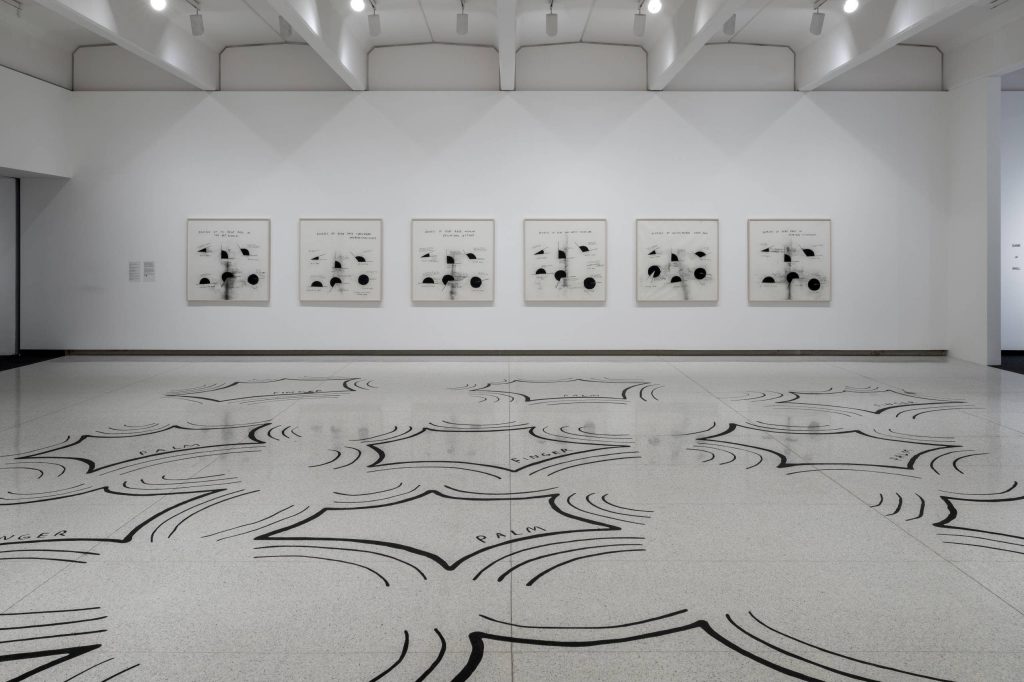
One work that particularly connects to the importance of accessibility is Unfortunately, We Cannot . The work addresses Kim’s experiences with institutions telling her that accessibility accommodations cannot be provided. I think this is a powerful reminder that accessibility should not be treated as an extra or optional part of an exhibition. It should be considered a basic responsibility of museums and other cultural institutions. Reflecting on this exhibition has helped me recognize how much thought goes into creating a museum experience. Before studying exhibitions in more detail, I probably would have focused more on the artwork itself and less on the planning, collaboration, and decisions happening behind the scenes. Now, I pay more attention to how exhibitions are organized, how information is communicated, and whether different visitors are being considered. This also connects to what Lachapelle (2024) discusses about collaboration between curators, interpretation designers, and museum educators. An exhibition like All Day All Night shows why different perspectives and areas of expertise are important. The artwork, the way it is displayed, and the resources provided to visitors all contribute to the overall experience.

