what we keep + wHAT we rEMEMBER
I used to think of museum collections as the objects museums kept. Now I see them as a record of what museums have decided is worth keeping and remembering. With a background in architecture, I was trained to look at buildings as evidence, paying attention to materials, alterations, drawings, use, and the traces people leave behind. I understood collections mostly through the objects themselves and what they visually exhibited in support of programs. There were times when my ignorance overshadowed the objects hidden in the backrooms. I knew there was extensive work happening behind the scenes to acquire, document, store, conserve, and research them, but I largely thought of that work as preparation for what visitors eventually got to see. Collections are not just a museum’s holdings, they are an ongoing practice of deciding what has value and can carry the story the museum is trying to tell, how that value is documented, and who has access to it.
FROM OBJECTS TO DECISIONS
The collections profession includes curators, registrars, collections managers, archivists, conservators, and other professionals whose responsibilities frequently overlap. Although these roles have distinct areas of expertise, collections work depends on their interaction and collaboration. Bowes’s (2023) description of the registrar as an “assembled role” illustrates this connection. Documentation affects access, origin affects interpretation, conservation affects use, and acquisition creates responsibilities that extend far beyond the moment an object enters a museum.
So, how does that relate to stewardship? This internal connection of responsibilities is central to the concept. Stewardship is the physical care of an object including information, context, and accessibility. It extends beyond this framework to allow collections to remain meaningful and relevant to the community the institution serves. The American Alliance of Museums addresses stewardship in a similar way, it is both a physical and intellectual responsibility that includes documentation, research, care, and access. An object can be physically preserved yet poorly stewarded if its history is undocumented or its information is inaccessible or incorrect. In the same way, extensive documentation has limited value if the object itself cannot be appropriately cared for and interpreted.
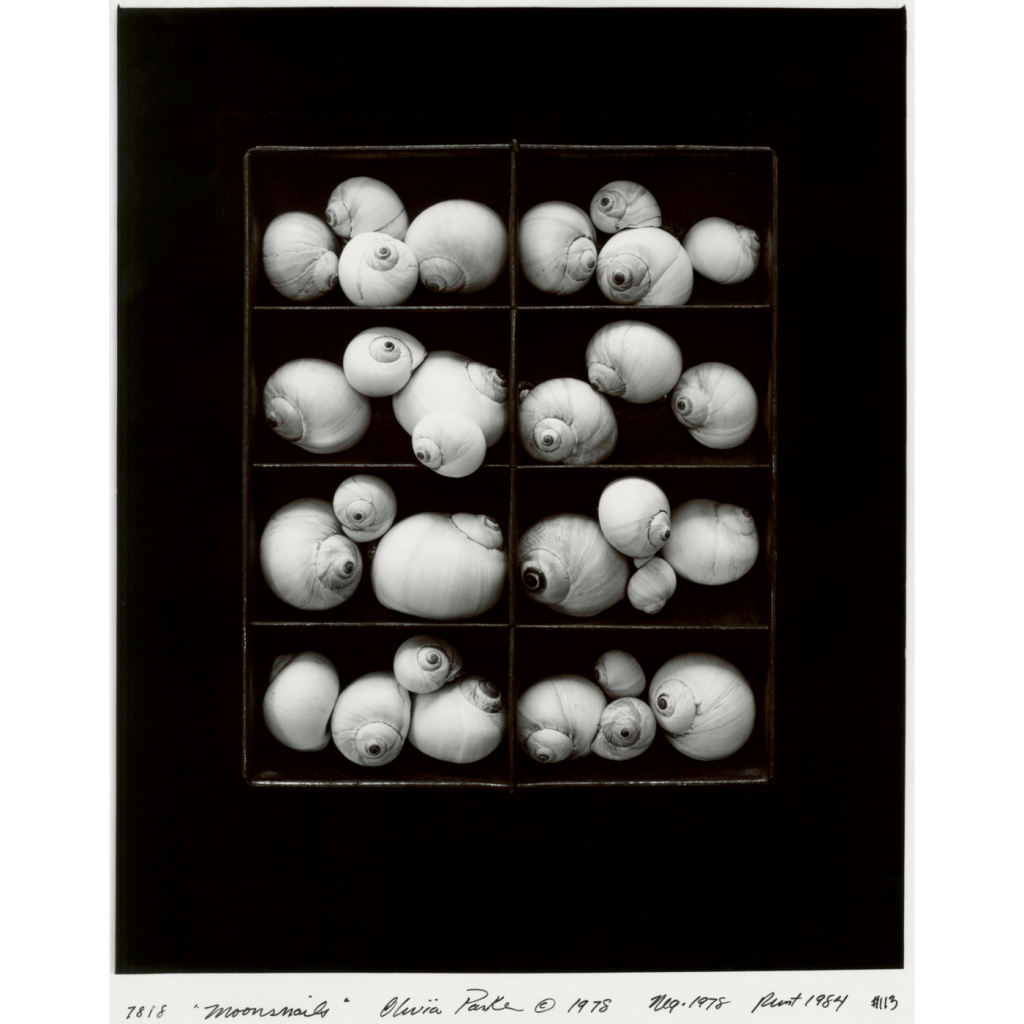
Collections work is not simply a matter of maintaining objects in storage. It is a process of maintaining the conditions that allow objects to function as evidence, sources of knowledge, and points of connection between museums and their communities. Stewardship ultimately connects the responsibilities collections departments have to the objects with the responsibilities institutions have to the community.
WHAT MAKES SOMETHING WORTH KEEPING
Svanberg’s (2018) discussion of collecting toward “totality” raises an important question about museum collections: does a collection become more valuable simply by becoming larger? It can be tempting to view growth as a sign of success. More objects can mean more evidence, and more research can mean more possibilities and potential stories. Collecting is a long-term commitment. More is not an infinite possibility when there is the required elements of storage and personnel. Every acquisition requires space, documentation, care, research, and resources. The decision to collect is therefore not simply a question of whether an object has value. It is if that value can support the institution’s mission and if the institution can assume responsibility for that value. This makes collecting a form of stewardship before an object even enters the collection.
Lubar et al. (2016) entangles the idea of permanence further through their discussion of “lost museums.” Museums can close, and collections can move and become separated from the institutions that once cared for them. Institutional ownership does not guarantee permanence. What a museum chooses to preserve today may depend on resources, institutional priorities, and circumstances, but these things have the possibility to change over time.
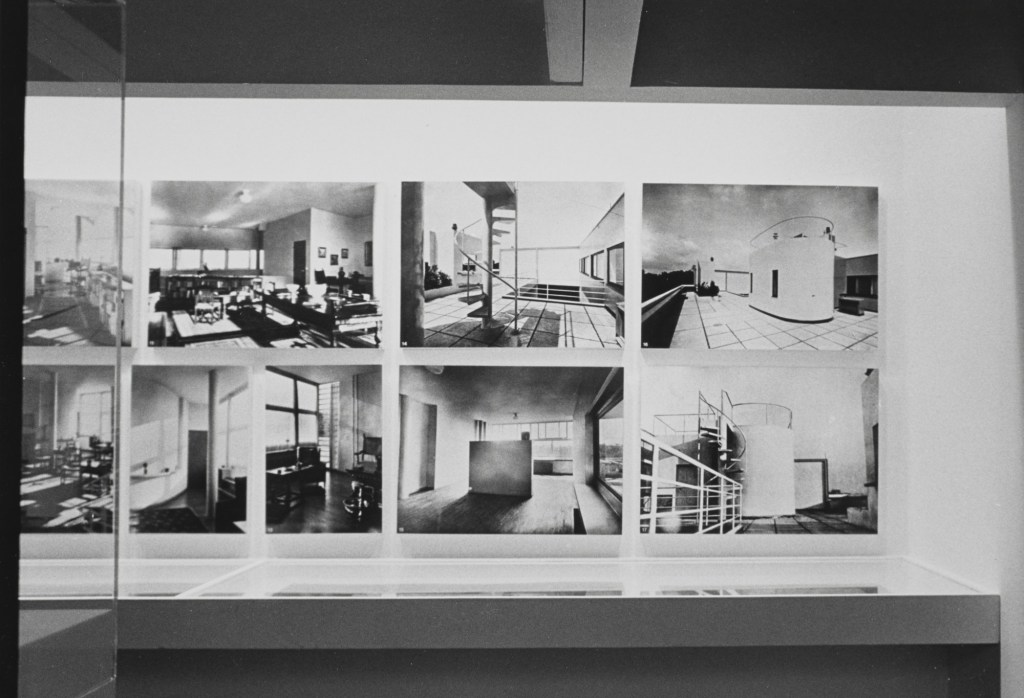
This tension is quite relevant to architectural collections. Buildings are subject to change. They experience alteration, deterioration, and demolition. Their historical value can also be exhibited through drawings, photographs, material samples, models, and documentation, which can preserve evidence of a building even when the building itself no longer exists. The same principle can be applied to museum collections. The goal cannot simply be to preserve everything. Collections require choices about which forms of evidence are most significant, and what future generations may need to understand the past. What is worth keeping is not necessarily what can be preserved, but what carries knowledge that might otherwise be lost.
WHO GETS TO DECIDE WHAT REMAINS
If museums decide what is worth keeping, then collections inevitably reflect choices about whose histories are considered valuable. Bazan et al. (2021) discussed repatriation, public programming, and DEAI. They explained how these fundamentals complicate the idea of stewardship by shifting attention from how museums care for objects to how museums determine their responsibilities toward the people and communities connected to them. This is where decolonizing museum practice becomes particularly relevant. Decolonization is not limited to the repatriation of individual objects. It also requires museums to examine the authority behind collecting: who had the power to collect, whose knowledge shaped documentation and interpretation, and whose perspectives were excluded. The Museums Association describes decolonization as an ongoing process of reconsidering colonial structures and approaches throughout museum practice, rather than treating the return of objects as an endpoint.
This further complicates the idea of stewardship. A museum can carefully preserve an object while still showcasing an unequal relationship with the people or communities connected to it. Repatriation, authority, consultation, and
restitution therefore raise questions that physical conservation alone cannot answer. Responsible stewardship is not only about maintaining an object. It can also involve reconsidering who has a relationship with that object and who should have a role in determining its future.
The question regarding collections shifts from “How do we care for this object?” to “Who should be involved in deciding how this object is cared for?”
This question feels especially relevant to architectural collections because the built environment is often treated as objective evidence when it is anything but neutral. Decisions about which buildings are documented, preserved, photographed, or included in architectural histories shape how places are remembered. Architectural drawings may preserve the architect’s intentions, but they do not necessarily capture how a building was experienced by the people who lived, worked, or were excluded from that space. A building’s official history might emphasize its designer or architectural significance while overlooking the communities that gave the place meaning through everyday use.
This makes architectural collections a useful way to understand decolonization beyond repatriation. Preserving a building’s drawings or photographs does not automatically preserve the full history of that place. Oral histories, community archives, photographs, records, and other forms of lived experience can challenge the authority of the traditional architectural record. Expanding what counts as architectural evidence can therefore also expand whose experiences are preserved. A collection is therefore more than evidence of the past. It is also evidence of the choices made about the past. What museums preserve, how they describe it, and whose knowledge they recognize all shape what future audiences will be able to see, study, and remember.
WHAT I NOW THINK COLLECTIONS ARE
The biggest shift for me is that I no longer think of collections as something a museum simply has, but as something a museum is continually doing. I was trained to look at buildings as evidence through their materials, drawings, alterations, and traces of use. In architecture, I was often focused on how technologies such as drawing software, digital modeling, and documentation tools could record and communicate physical evidence. In museum work, I am beginning to see technology not only as a tool for documentation, but as something that shapes how collections are accessed, interpreted, preserved, and remembered. I now bring that same perspective to collections. I used to ask what a museum collection contained. Now I ask what it allows us to remember, what it leaves out, and what responsibility comes with deciding what remains.

